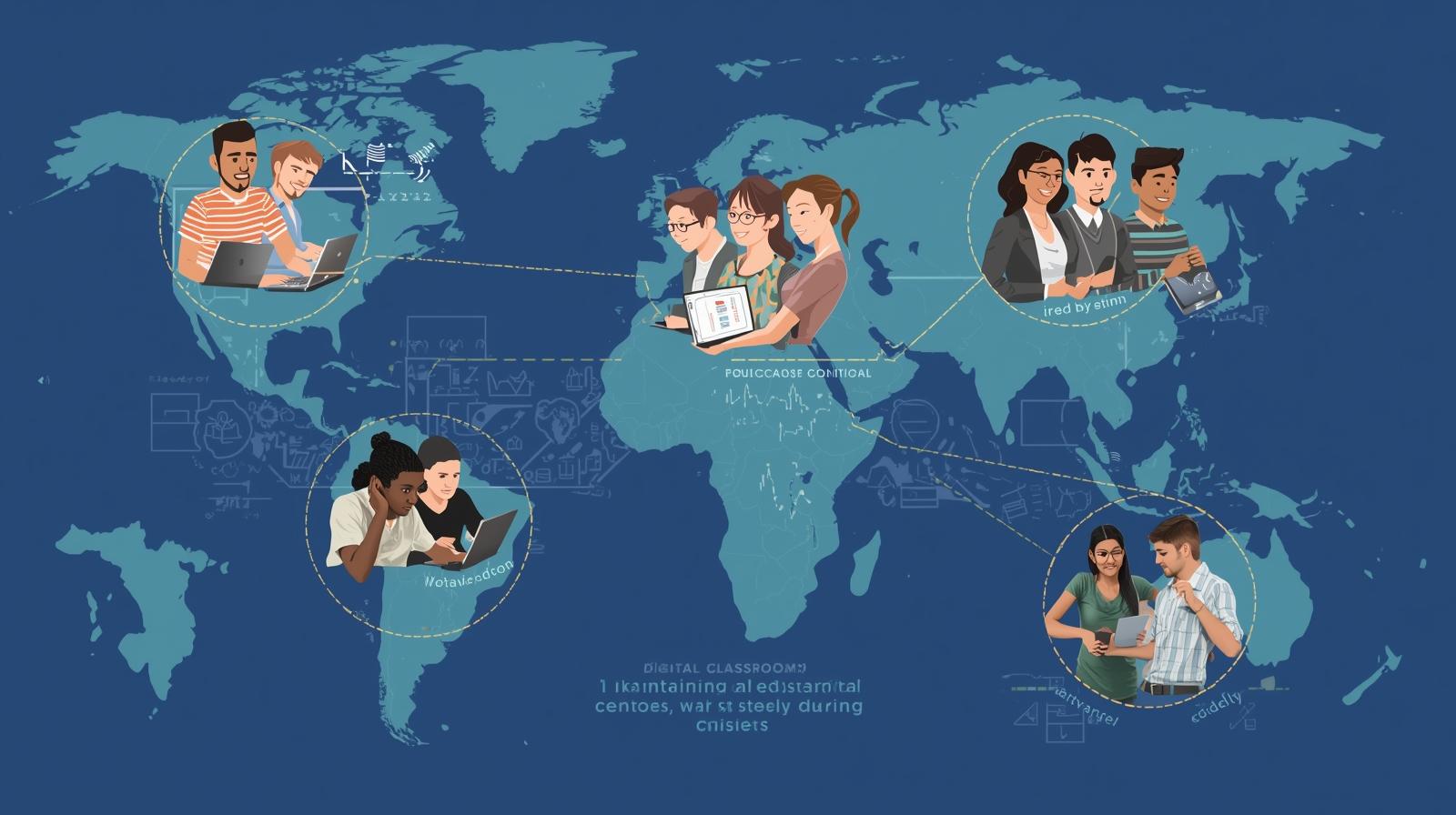
Global crises, such as pandemics, natural disasters, and political unrest, have shown how vulnerable traditional education systems can be. Schools and universities often face closures, leaving millions of students without access to learning. In such situations, digital classrooms have emerged as a vital solution, ensuring that education continues uninterrupted while maintaining engagement, interaction, and quality learning experiences.
Flexibility and Accessibility
One of the most significant advantages of digital classrooms is their flexibility. Students can access lessons from anywhere, whether at home, a shelter, or a remote location. This accessibility allows education to reach learners who might otherwise be excluded due to geographical, health, or economic barriers. Teachers can record lectures, share resources online, and provide asynchronous learning opportunities, ensuring that students do not fall behind even during extended disruptions.
- Access lessons anytime and anywhere.
- Use recorded lectures for self-paced learning.
- Reach students in remote or underserved areas.
Maintaining Interaction and Engagement
A common concern about digital classrooms is the potential loss of interaction between students and teachers. However, modern digital platforms offer interactive features such as live video sessions, discussion forums, quizzes, and collaborative projects. These tools help replicate the classroom environment virtually and keep students engaged. Teachers can provide real-time feedback, monitor participation, and ensure that learners stay motivated and accountable.
- Live video classes for real-time interaction.
- Group projects and forums to encourage collaboration.
- Instant feedback through digital assessment tools.
Adapting Curriculum and Learning Methods
Digital classrooms allow educators to adapt the curriculum quickly to meet the changing needs of students during crises. Multimedia resources, virtual labs, and online simulations enhance understanding and provide practical experience without physical presence. In addition, AI-driven platforms can analyze student performance and suggest personalized learning paths, ensuring that each learner receives support tailored to their strengths and weaknesses.
- Use virtual labs and simulations for hands-on learning.
- Incorporate multimedia and interactive content.
- Personalized learning through AI-driven analytics.
Challenges and Solutions
Despite the benefits, digital classrooms face challenges such as internet accessibility, digital literacy, and student motivation. Governments and educational institutions must invest in infrastructure, provide training for teachers and students, and design engaging online programs to overcome these barriers. Partnerships with technology providers can also help bridge the digital divide and make education more inclusive.
- Improve internet access and device availability.
- Train educators and students for digital learning.
- Design engaging and interactive online courses.
Global Collaboration and Innovation
Digital classrooms also encourage global collaboration. Students from different countries can participate in joint projects, attend international webinars, and exchange ideas across borders. This exposure not only enriches learning but also prepares students for a globalized workforce. It encourages cultural awareness, communication skills, and adaptability, all of which are crucial for future success.
- Cross-border collaboration through online platforms.
- Participation in global webinars and competitions.
- Building cultural awareness and global perspectives.
Conclusion
In times of global crises, digital classrooms have proven to be essential in maintaining continuity of education. By providing flexibility, engagement, and personalized learning opportunities, they ensure that students can continue their academic journey despite external challenges. As technology evolves, integrating digital classrooms into standard educational practices will not only safeguard learning during emergencies but also enhance the overall quality and reach of education worldwide.